Agenda Release | openKylin Presents COSCon'26 AI-Native Open Source Operating System Forum
November 14-15, COSCon'26, the 11th China Open Source Conference with the theme "Next Generation of Open Source," will be held at the Hangzhou Yungu Center.OpenAtom openKylin (abbreviated as "openKylin")As a silver partner of this conference, will present theAI-Native Open Source Operating System Forum(hereinafter referred to as the "Forum")。
This forum focuses on the all-scenario innovation of open source operating systems driven by the AI wave, bringing together technical forces from industry, academia, and research in the domestic operating system field. It will share and exchange ideas on the technological innovation, architecture, and open source ecosystem of AI-native operating systems, and explore the evolution direction of foundational software towards the intelligent era. openKylin will also set up a booth at the conference venue, with fun interactive activities and exquisite souvenirs. Everyone is welcome to come, communicate, and check in!
AI-Native Open Source Operating System Forum
Meeting time:November 14, 14:00-17:20
Meeting Location:Hangzhou Cloud Valley Center - 1st Floor - Yunyi
Organizing Community:openKylin
Host:Liu Min, Executive Director of openKylin Community
Topic 1: openKylin for AI PC: AI-Native Architecture and Agent Practice
Speaker:Li Jianfeng | Member of the openKylin Community Technical Committee
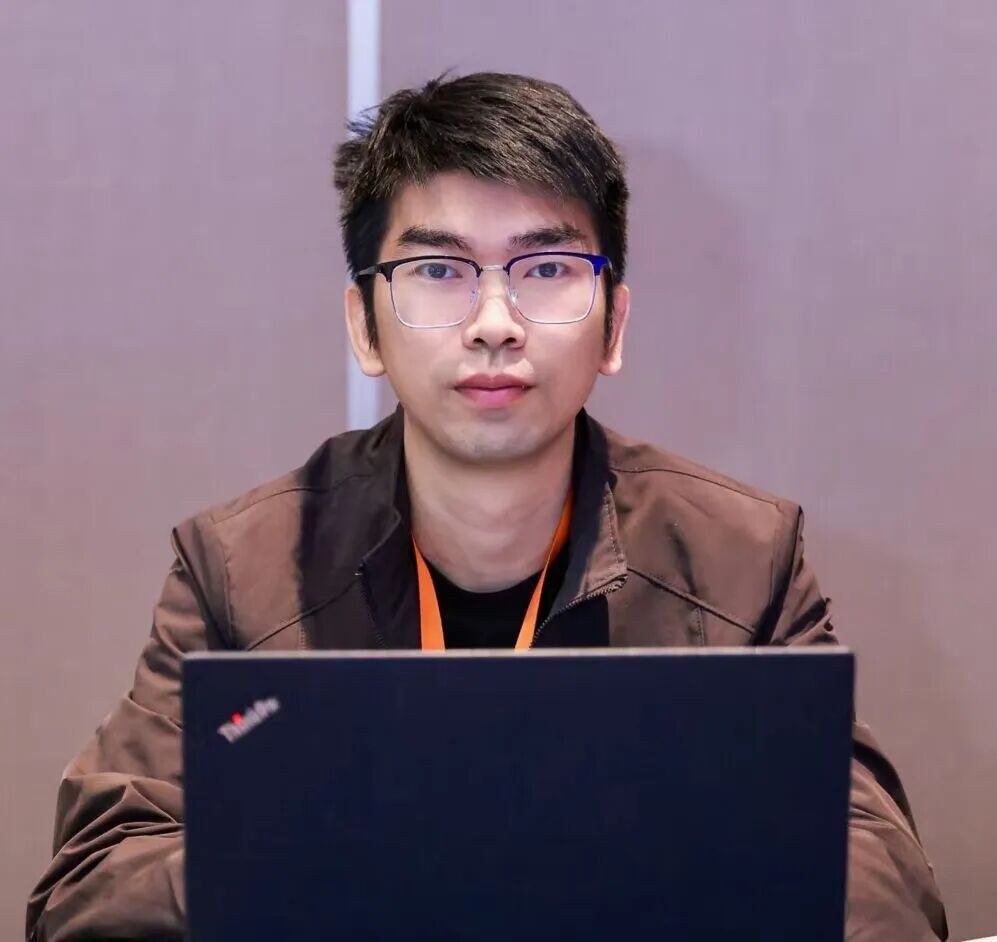
Summary:With the rapid development of large models and agent technologies, how to deeply integrate AI into the operating system architecture to achieve a complete closed loop from intent understanding, capability invocation to task execution is the core issue for AI PC development. This talk, combined with openKylin 3.0 practices, introduces the unified AI inference service, model scheduling, intent processing, and system capability exposure architecture, shares the system capability invocation mechanism based on MCP and Skills, as well as the exploration of KylinBot and Kylin-CUA in desktop intelligent interaction and task automation directions, and looks forward to the evolution path of AI-native open-source operating systems.
Topic 2: Intelligent Native OS Based on openKylin
Speaker:Shi Peichang | Director of Ubiquitous Intelligence Technology, Kylin Software Co., Ltd.
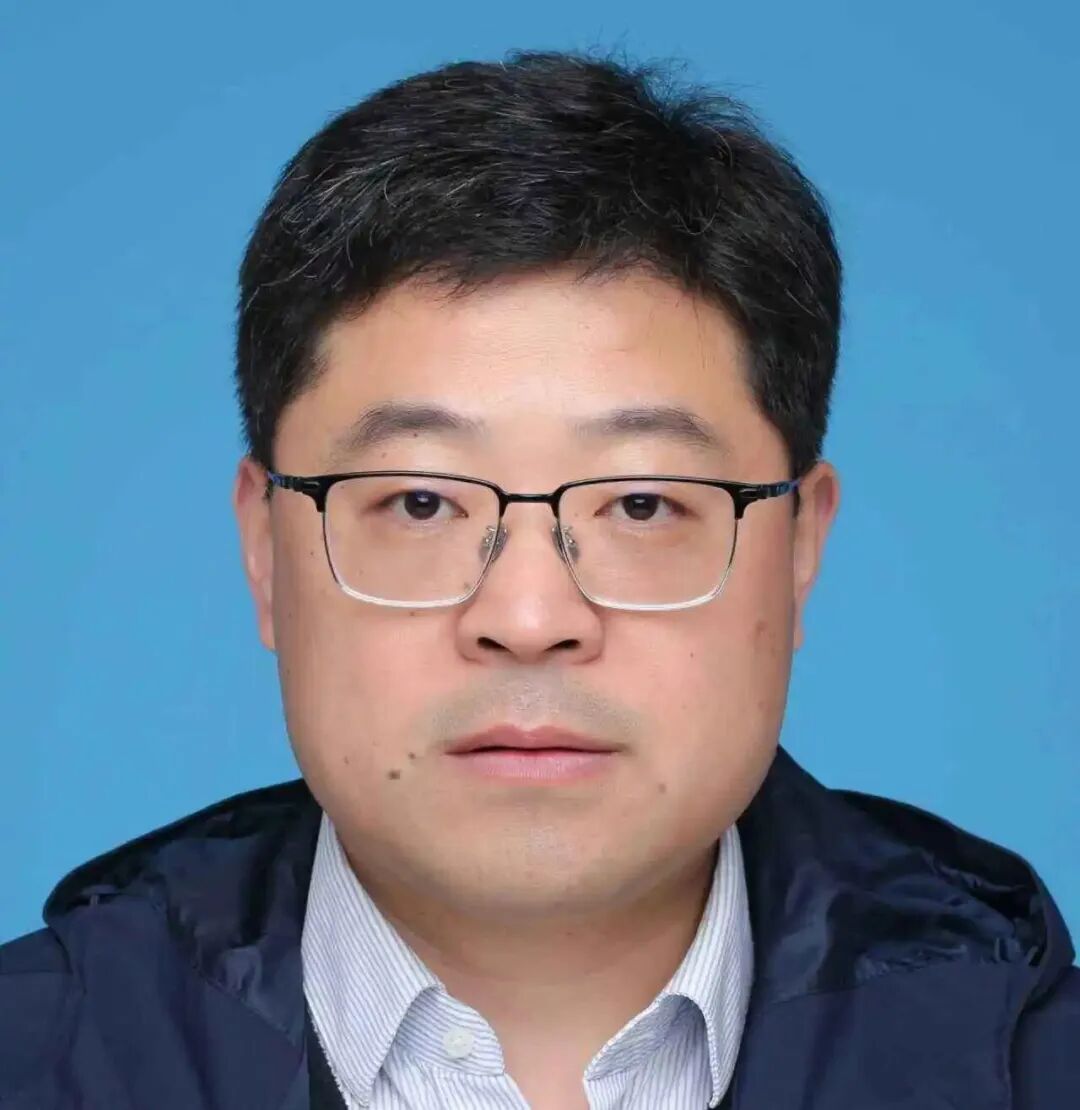
Summary:The deep integration of agents and personal data is reshaping the computing service model, while facing challenges such as closed AI ecosystems, uncontrollable agent behaviors, and the absence of a personal AI hub. openKylin builds an open intelligent native OS foundation in an open-source model to host diverse AI applications, focusing on breakthroughs in key technologies such as on-device AI base, OS-level intelligent interaction, agent isolation execution, knowledge intelligence, and device-cloud collaboration, to create a personal AI hub and empower AI innovation with an open ecosystem.
Topic 3: Agent Infra, the key bottleneck is data recovery — OpenCloudOS EROX Unified Data Plane Practice
Guest Speaker:Zhu Chengyu | R&D Engineer, OpenCloudOS Community
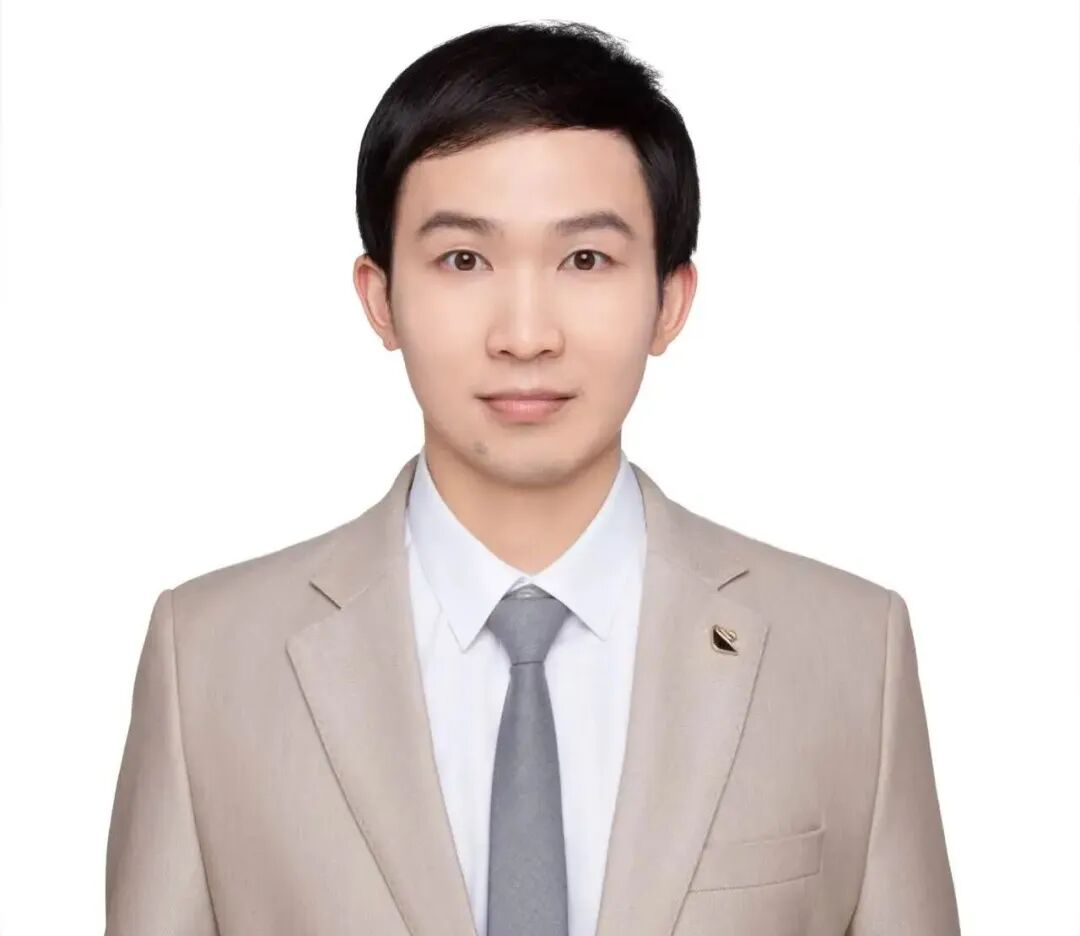
Abstract:AI Agent is a stateful long-session workload. Computing resources can be quickly rebuilt, but session states need to persist continuously across nodes and sessions. Data recovery capability has become the core bottleneck of infrastructure. This sharing introduces the EROX unified data plane solution, which abstracts and unifies four types of states: images, disks, snapshots, and workspaces, and builds complete data lifecycle management capabilities around read, write, and storage.
Topic 4: Key Technologies and Practices of the Kylin Agent Operating System
Guest Speaker:Liu Xiaodong | Associate Researcher, National University of Defense Technology
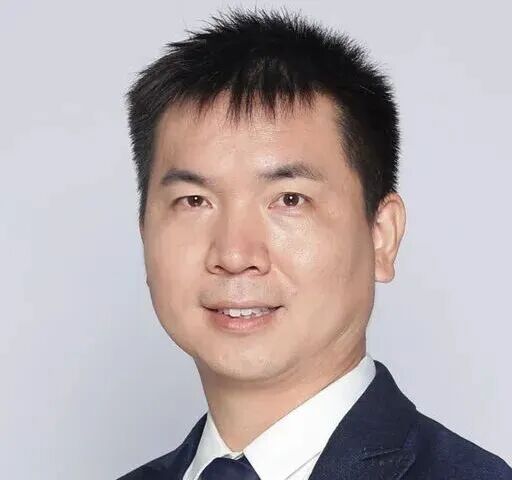
Share Summary:Facing AI-native transformation, traditional operating systems have shortcomings such as disconnection in intent recognition, mismatched resource scheduling, and insufficient security management. This talk analyzes the overall architecture of the Kylin Agent Operating System, introduces key technologies including agent-native runtime, AI-native resource collaborative scheduling, memory and skill services, and secure and reliable execution, and explores the path for domestic foundational software to support large-scale deployment of agents.
Topic 5: Adaptive Page Cache Strategy Based on cache_ext and Machine Learning
Speaker:Zhao Zhengzhuo | Kernel Development Engineer, UnionTech Software Technology Co., Ltd.
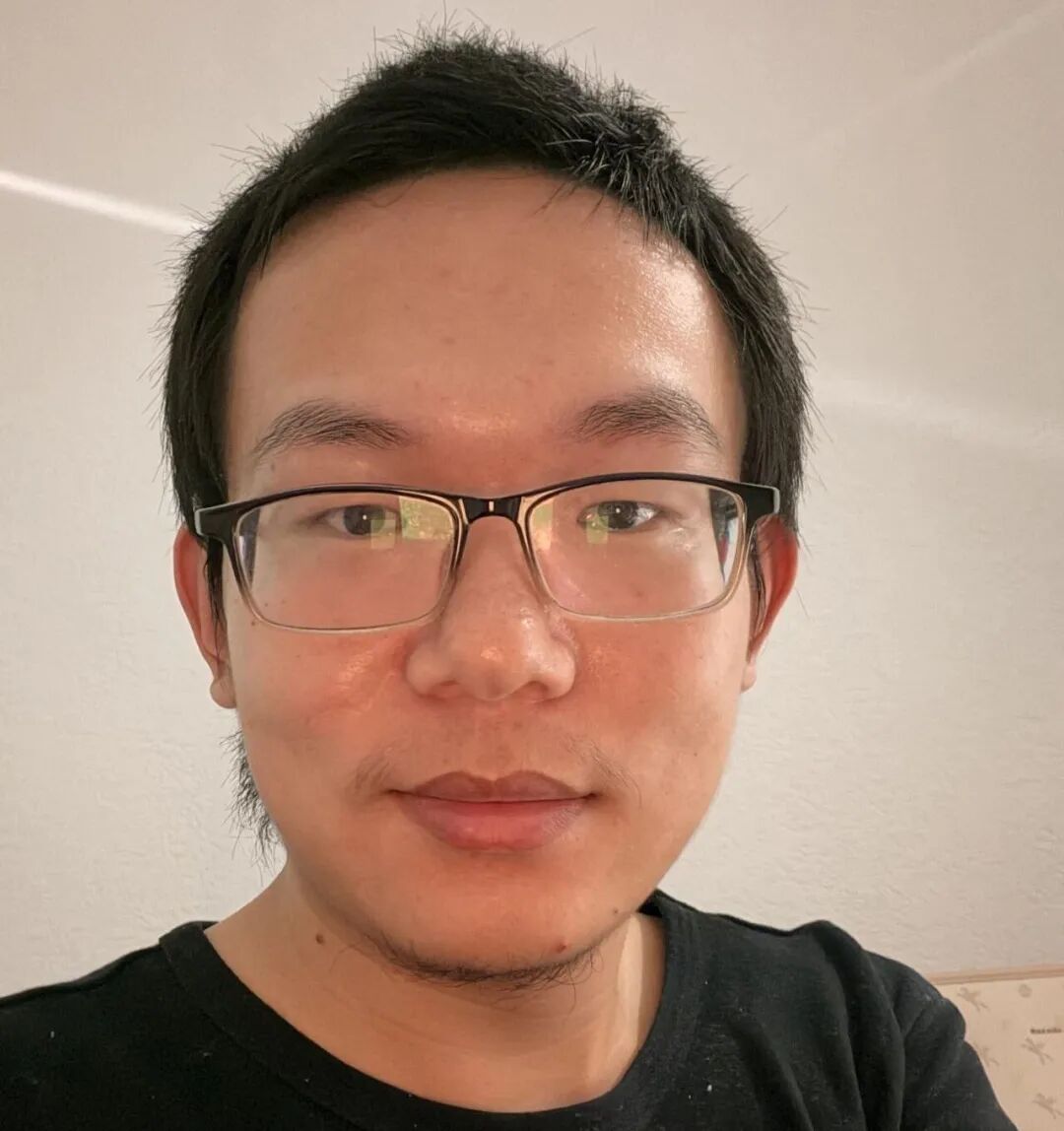
Share Summary:Traditional kernel’s single LRU cache strategy is prone to issues where cold reads crowd out hot spots and scanning pollutes the cache. This talk introduces an adaptive page cache eviction scheme at cgroup granularity based on cache_ext and machine learning: leveraging BPF struct_ops for hot-swapping eviction algorithms, collecting access characteristics via eBPF probes, using LightGBM to identify access patterns, and realizing dynamic policy switching; in actual tests, throughput under hot workload is improved by about 40% compared to native LRU, with follow-up continuous optimization of mixed workload isolation strategies.
Topic 6: LingCage: Building a Dedicated VMM for Agent Workloads Using Rust and KVM
Speaker:He Ruoqing | LingCage Principal Engineer
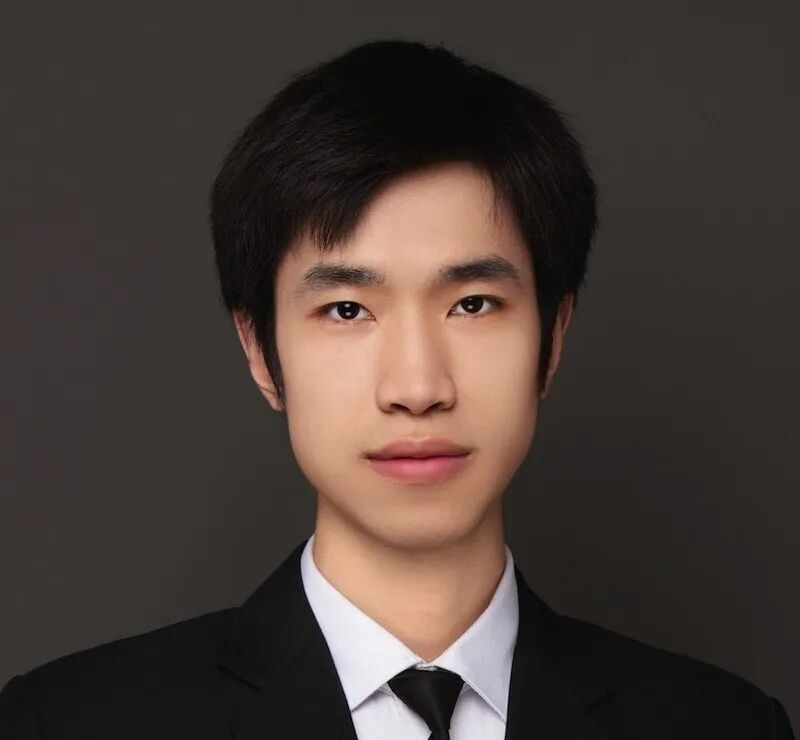
Abstract:LingCage is a Rust VMM targeting short-lived, untrusted Agent workloads. It boots the kernel directly via Linux/KVM, streamlines the device model and shrinks the attack surface with seccomp, rapidly spawns Agent sandboxes from template snapshots and copy-on-write, and handles command interaction via vsock. The talk will break down the sandbox lifecycle state machine and trust boundaries with code, discuss trade-offs in multi-architecture adaptation, and provide an open-source practice reference for AI-native low-level sandboxes.
This forum covers the full technology stack from upper-layer AI PC interaction, intelligent agent foundation, and Agent infrastructure, to kernel memory optimization and Agent security sandboxes, balancing cutting-edge theoretical exploration with frontline engineering implementation, to build an exchange and dialogue platform for open-source collaboration on China’s AI-native operating systems.
Registration
COSCon'26 Early Bird tickets close on November 7th,Welcome to scan the QR code below to register, join developers and technical peers at the AI Native Open Source Operating System Forum, and explore the innovation path of operating systems in the intelligent era together.