

Gathering momentum in Central Plains! openKylin Community Member Salon Zhengzhou Station sets sail, jointly building a new ecosystem of open-source operating systems.
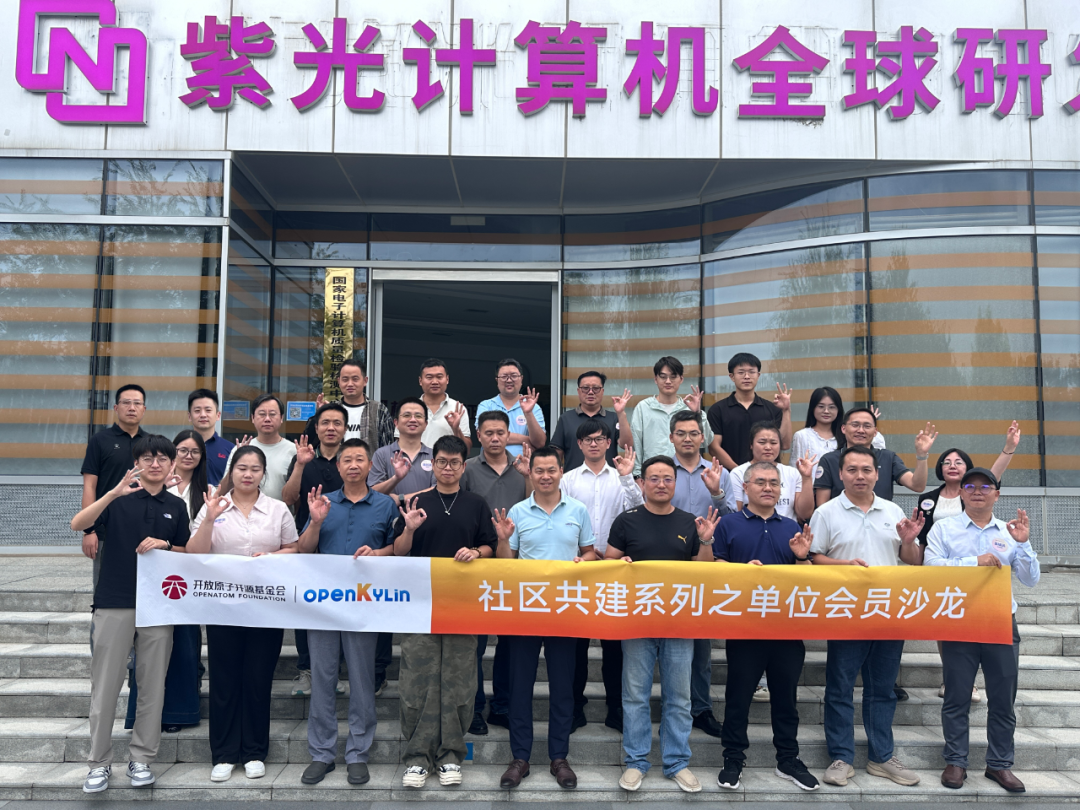
On September 17, the OpenAtom openKylin Community Member Salon Zhengzhou Station was held at the Tianjianhu Intelligent Computing Industrial Park in the High-Tech Industrial Development Zone of Zhengzhou City, Henan Province. Representatives from multiple enterprises including Unis Computer, Shanghai Yishi Intelligent Technology, SenseTime, and Haihe Laboratory of Advanced Computing and Key Software gathered to engage in in-depth discussions on core topics such as operating system ecosystem co-building, AI-integrated innovation, and RISC-V architecture support, injecting new momentum into the community's future development.
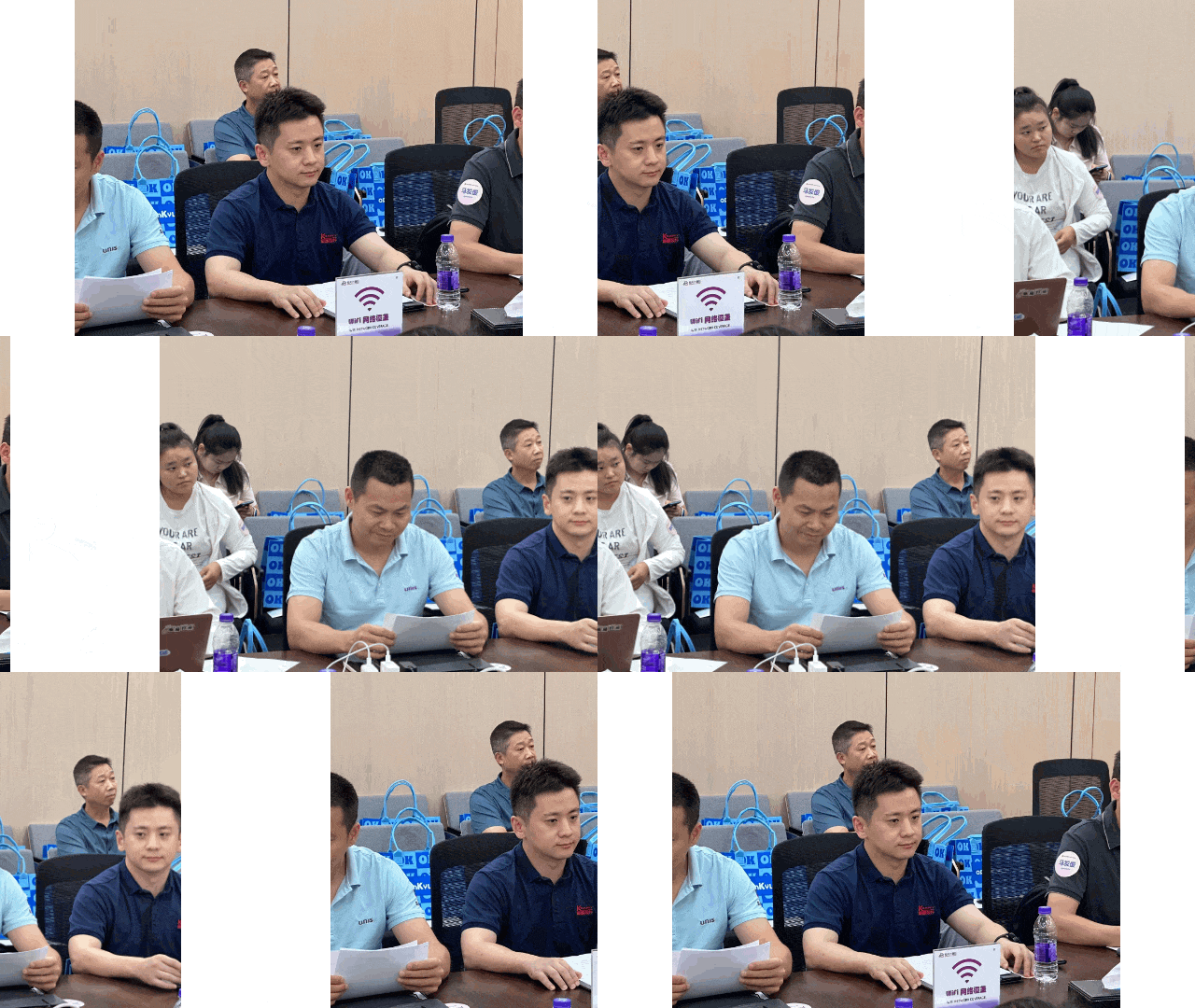
Yan Wei, General Manager of the R&D Center at Unis Computer Technology Co., Ltd.stated that in response to the AI development wave, Unis Computer will increase investment in areas such as full-machine adaptation, AI PCs, and industry solutions. Working together with the openKylin community, they aim to upgrade the intelligent operating system from "usable" to "easy to use" and "intelligent use," jointly building a world-leading open-source root community for intelligent operating systems.
Yao Wenzheng, General Manager of Kylinsoft Co., Ltd. Henan Branchstated that the openKylin community is actively deploying "AI+OS," iteratively upgrading the AI subsystem, and rolling out applications such as intelligent voice assistants, AI framework installation assistants, and large model dialogue plugins. Technological innovation continues, and ecosystem co-building knows no boundaries. We look forward to deeper joint innovation with community partners on new tracks.
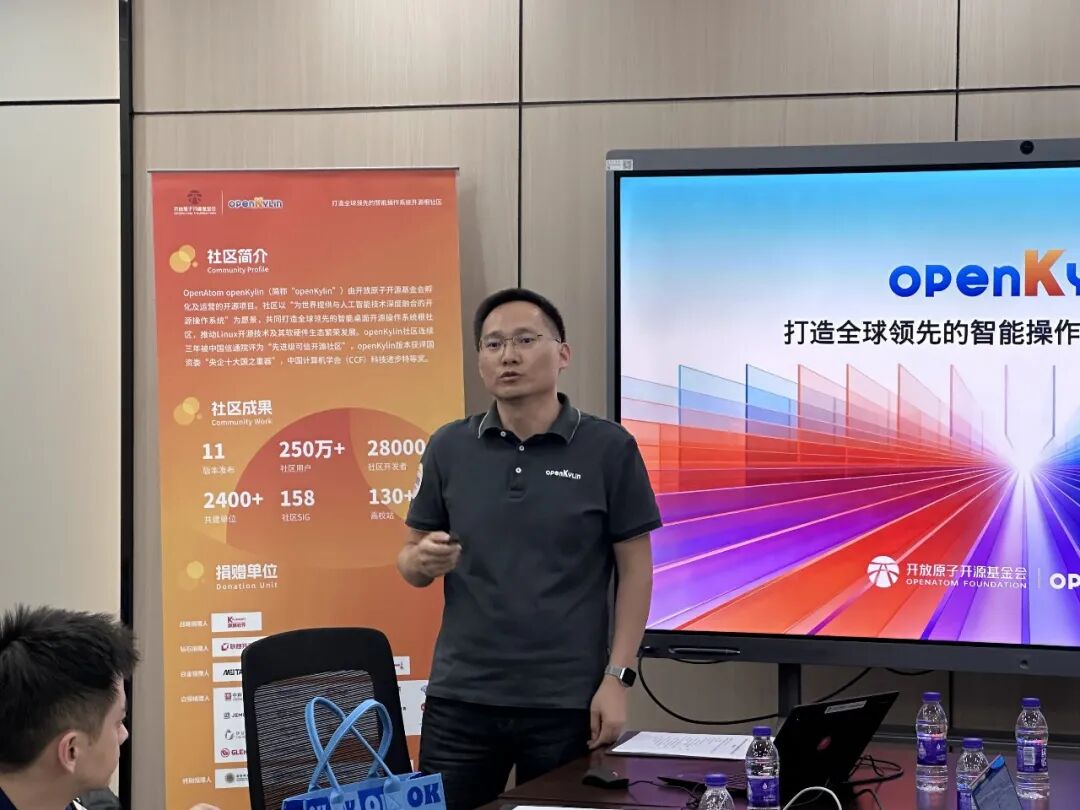
Ma Fajun, Head of Ecological Cooperation at the openKylin Communityshared the community's latest progress, operational model, and key breakthroughs with attending partners. Currently, the openKylin community has gathered over 2,400 community members, more than 28,000 developers, and 158 SIG groups, with system deployments exceeding 24 million units. It has been rated as an "Advanced Trustworthy Open Source Community" by the China Academy of Information and Communications Technology for three consecutive years, and has been recognized as a "National Key Top-Ten Equipment by State-owned Enterprises" by the State-owned Assets Supervision and Administration Commission, as well as receiving the CCF First Prize for Scientific and Technological Progress. The "openKylin Open Source Operating System Project for Shanghai Cooperation Organization Countries" has been included in the Ministry of Foreign Affairs' achievement list. With the vision of "providing the world with an open-source operating system deeply integrated with artificial intelligence technology," openKylin 3.0 is equipped with the Linux 7.0 kernel, builds an open intelligent agent base, and achieves full-chain AI empowerment, covering mainstream architectures such as X86, ARM64, RISC-V, and LoongArch. It is determined to join the ranks of top international open-source communities and work together to forge a world-leading open-source root community for intelligent desktop operating systems.
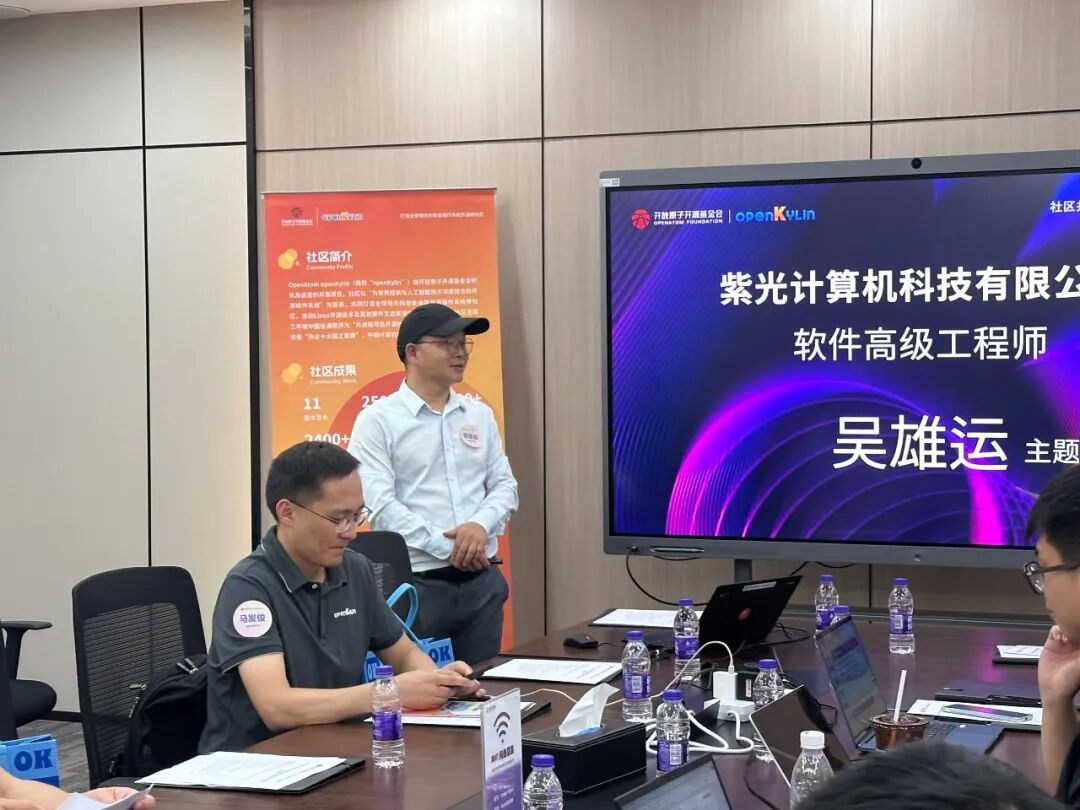
Wu Xiongyun, Senior Software Engineer at Unis Computer Technology Co., Ltd.delivered a topic sharing titled "Unis Haiguang No.3 Joins Hands with openKylin Operating System to Build a New Ecosystem," introducing the latest progress in adapting hardware platforms to the openKylin operating system. The Unis UNIS D3830 G3s commercial desktop, powered by the Haiguang C86-3G 3350 octa-core processor, has been fully adapted to openKylin and has obtained the openKylin compatibility certification. The two parties have carried out driver adaptation and stability verification for core components such as GPUs, network cards, sound cards, and peripherals, jointly optimized boot speed, application response, and energy management, and completed compatibility adaptation for common applications such as office suites, browsers, multimedia, and industry software.
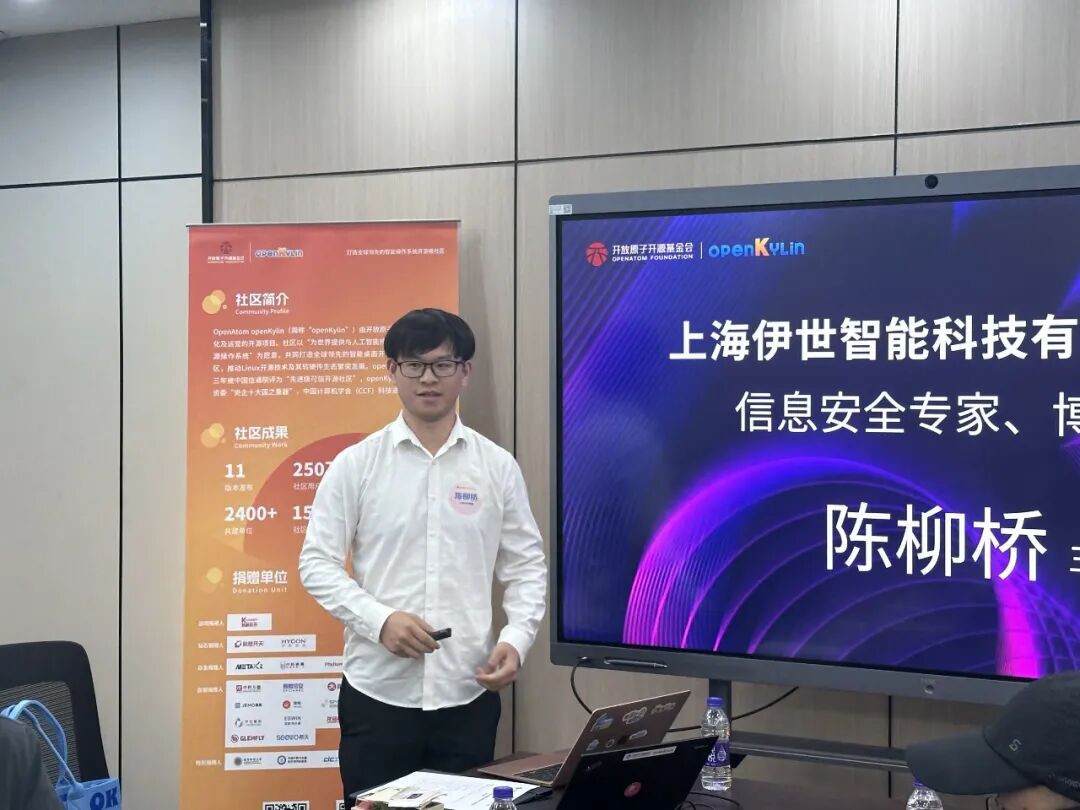
Chen Liuqiao, Ph.D., Information Security Expert at Shanghai Yishi Intelligent Technology Co., Ltd.shared the "PQC-TLS Quantum-Safe Communication Practice Based on openKylin+FeiTeng Chip." The project uses the FeiTeng Pi PRO D3000M and the openKylin 3.0 native system as the base, independently deploying OpenSSL 3.5.8 to verify TLS 1.3 + X25519MLKEM768 hybrid key establishment and the ML-DSA-65 post-quantum certificate chain. Eight scenario protocol verifications, performance tests, and evidence archiving have been completed, with historical build self-tests passing at 4498/4498, forming a reviewable and traceable PQC-TLS experimental environment. The project has formed a complete practice from board-level adaptation, protocol verification to evidence archiving, showcasing openKylin's cutting-edge exploration in the field of quantum-safe communication and providing a replicable technical path for domestic platform information security.
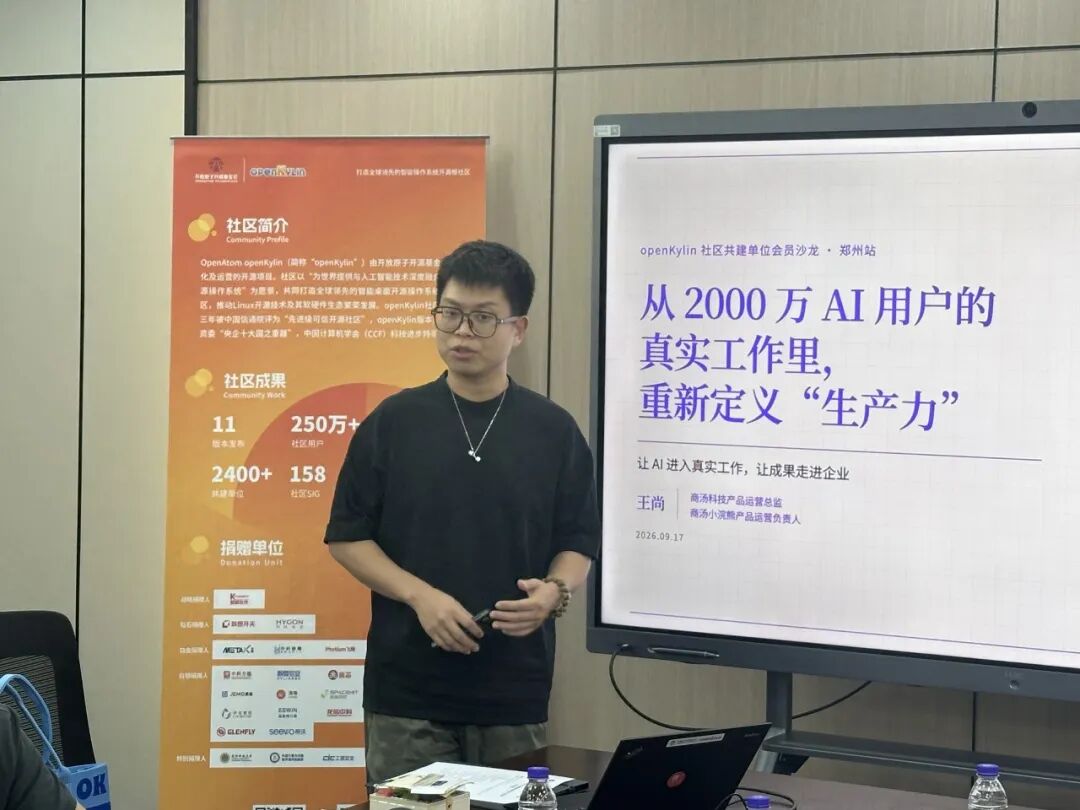
Wang Shang, Product Operations Director at Shanghai SenseTime Intelligent Technology Co., Ltd. and Head of Product Operations for SenseTime Xiaohuanxiongdelivered a topic sharing titled "SenseTime Xiaohuanxiong: Redefining 'Productivity' from the Real Work of 20 Million AI Users." Combining SenseTime's progress in AI construction and product practices, he introduced the cooperation with openKylin in the AI field, with the Linux version offering first support for openKylin.He also positioned openKylin as the preferred open-source operating system base for the SenseTime Xiaohuanxiong desktop client.Users can search for "SenseTime Xiaohuanxiong" in the openKylin software store to install it and experience AI-enhanced office work on a familiar open-source desktop, completing the full cycle of processing materials, advancing tasks, and utilizing results. SenseTime and openKylin are collaborating in the AI field, promoting the integration of operating systems and AI in scenarios such as AI PCs and education through technological integration and developer ecosystem co-building, jointly refining the operational experience in real-world tasks.
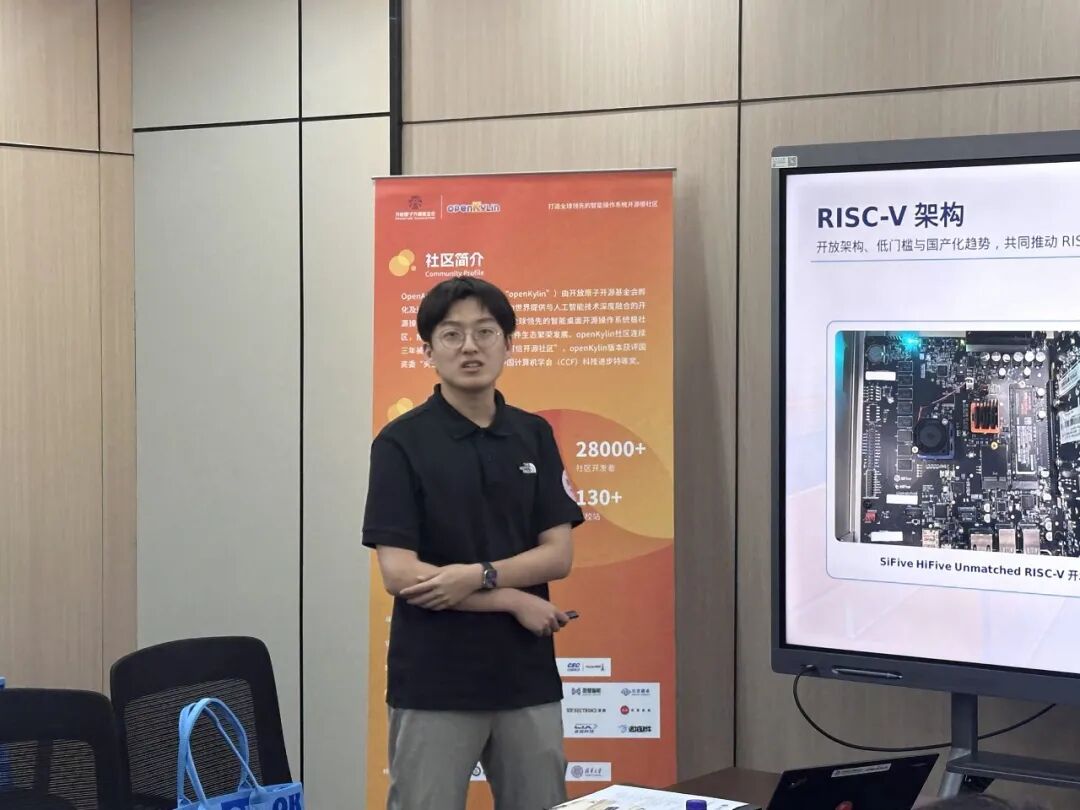
Li Ke, R&D Engineer at Haihe Laboratory of Advanced Computing and Key Softwareshared a report titled "openKylin RISC-V+AI: From Architecture Support to Intelligent Application Implementation," highlighting that openKylin is the first domestic desktop operating system to support RISC-V, supporting over 20 mainstream RISC-V hardware platforms globally, and jointly releasing the world's first RISC-V laptop, the DC-ROMA. The report presents a layered optimization approach from the basic computing layer, inference runtime layer to the model service layer. RVV support has been added for the MLAS operator of ONNX Runtime, achieving up to a 3.6x improvement in matrix operators; support for multi-RVV VLEV architecture has been added for vLLM, achieving up to a 3.58x improvement in LLM performance. At the same time, it has successfully run OpenStack physical machine management, native builds, and unattended delivery, forming a complete capability chain from upstream contributions, software distribution to desktop and XR applications, enabling RISC-V AI capabilities to continuously circulate in the upstream community, software distribution, and real-world applications.
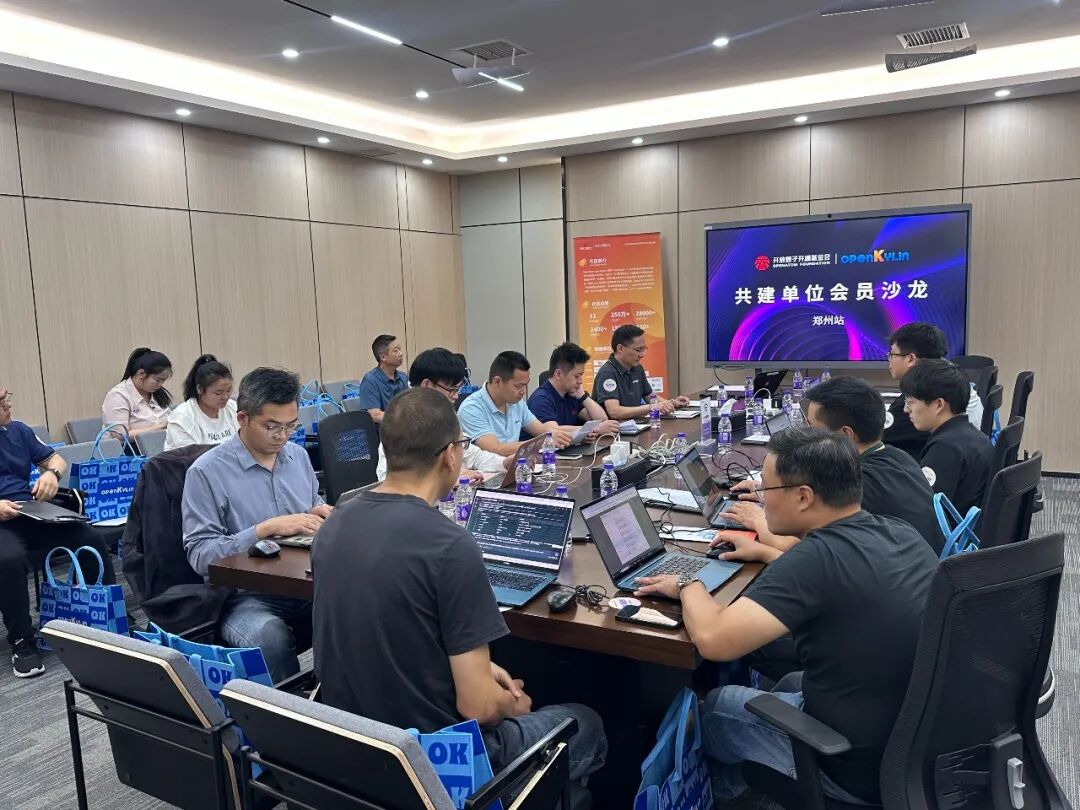
In the "Co-building openKylin" thematic discussion session, corporate representatives focused on operating system ecosystem innovation, delving into the optimization of open-source collaboration models and the upgrade path of the community platform. Participating parties actively explored multi-dimensional strategic cooperation possibilities and reached a high consensus: through collaborative synergy, the openKylin community will build a solid technology ecosystem foundation for the next generation of intelligent operating systems, ushering in a new era of intelligent computing.
In the future, participating enterprises will further deepen pragmatic cooperation in areas such as technology co-building, hardware adaptation, application migration, and talent cultivation, continuously refining system capabilities that are AI-native and multi-architecture compatible. Leveraging the collective strength of enterprises, universities, and the community, they will continuously enrich the software and hardware product matrix, expand industry deployment scenarios such as government, finance, industrial, and AI PCs, and further increase the industrial coverage and global influence of the openKylin ecosystem, helping China's fundamental software root technology achieve a higher level of self-reliance and self-improvement.
-
openKylin Establishes ZephyrProject SIG: Accelerating Zephyr's Domestic Ecosystem Implementation and Technological Innovation[2026/09/21]
-
openKylin appears at the 2026 IC WORLD Conference to jointly explore RISC‑V computing power ecosystem construction.[2026/09/20]
-
openKylin Community Operations Report for September 2026[2026/10/10]
-
New arrivals at openKylin Token Center! 5 popular large models free to use[2026/09/09]